Who builds your software at Early.

Every proposal we send has three names at the bottom, and they're the same three names on the first call, on every weekly demo, and on the handoff. That isn't a line we put in the deck. It's the whole org chart. Right after the price, the question founders and owners ask most is who they'll actually be working with, and the honest answer at Early Software Studio is short enough to fit in a sentence: Ryan, Cristina and Joey, on every build, start to finish.
This post is the long version of that sentence. Who does what, what a week with us looks like, and the questions worth asking any shop before you sign, including us.
Three partners, and nobody behind the curtain
Early is three founding partners in a brick-walled studio in Kansas City. There is no sales team that hands you to a delivery team, and no senior person who scopes the work and then disappears while a junior team builds it. The people on the discovery call are the people on the build.
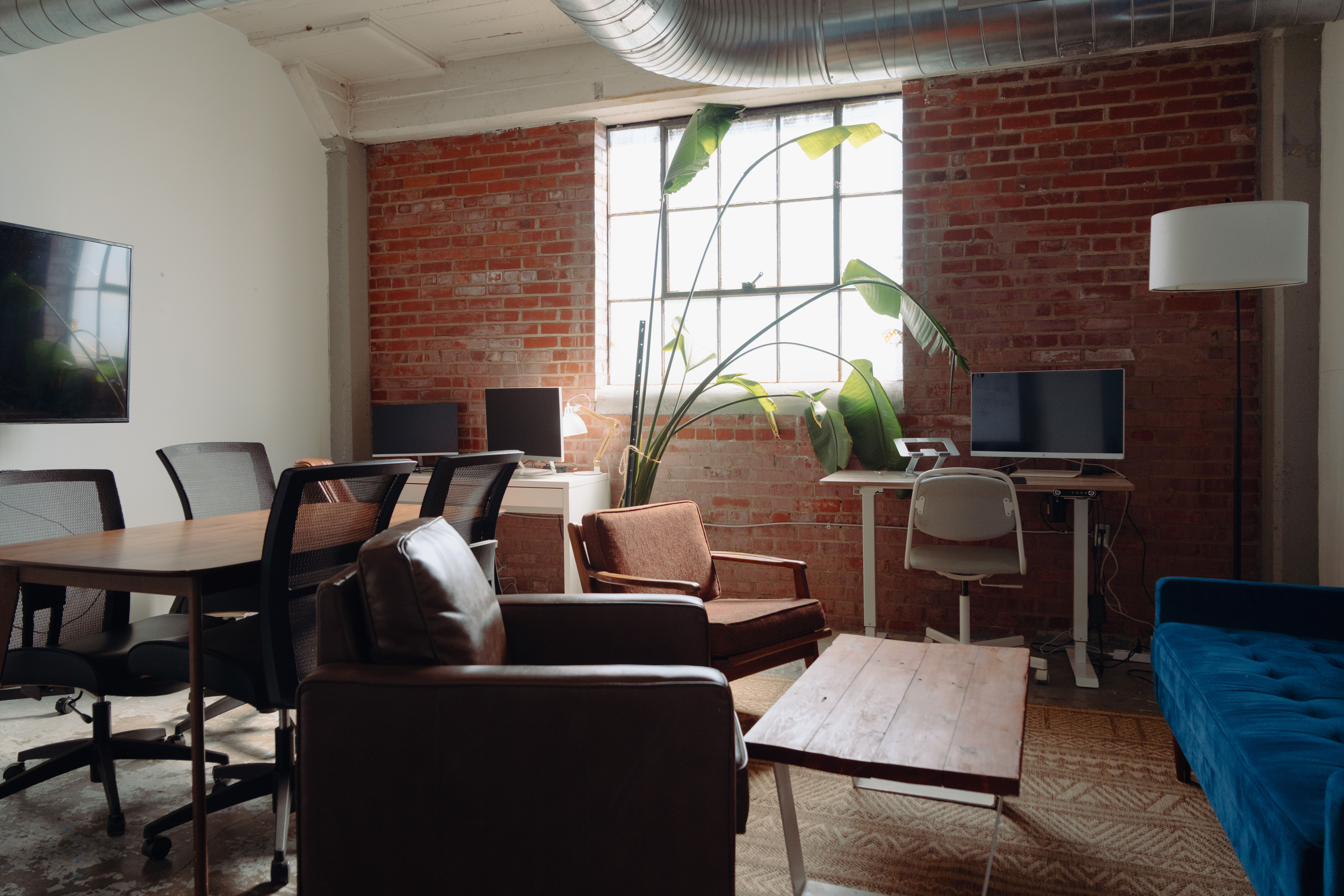
That's not a brag so much as a constraint we chose on purpose. Three senior people at a fixed price can only take on so much, so we say no to work, and we say it early. When we're on a build, we're on it. The trade is that you get the people who wrote the proposal writing the code, and you get them every week, not in a kickoff and a launch party with strangers in between.
Ryan decides how it gets built
Ryan is our CTO and the technical lead on every build. Before any screen gets built, he decides the shape of the thing: the data model, the environments (yours, not ours), and a backend the next shop could pick up without calling us. The repository and the hosting go in your name on day one, so there's nothing to transfer at the end.
He's also the partner who says no in week three. When a feature shows up that sounds impressive and doesn't change what your first users do, Ryan is the one who asks what it's for, and the answer is usually a smaller build that ships sooner. If you've been burned by a shop that said yes to everything, that no is the most valuable thing on the invoice.
Cristina runs the week
Cristina runs operations and looks after the founders and owners we build for. In practice she is the person you talk to when something feels off, when the scope needs a decision, or when the money conversation has to happen before the work does. She runs the 30-minute weekly, sends the Friday update, and keeps the schedule honest.

The Friday update is worth describing, because it's where most of the trust gets built. It isn't a progress report that's only ever good news. The section that matters is called "what we're waiting on from you," and every line in it has a date. If the build slips, you'll see why a week before it does, and usually the reason is a decision that's sitting with you. Cristina is the one who makes sure that list is short.
Joey designs it and builds what you click
Joey is the design and front-end partner, and he also runs our marketing, which is why you're reading this. His rule is that you should be clicking a real screen in week one, not reading about one. So the clickable front end comes before any back-end code, built from your real flows, and changes are cheap while it's still a prototype. Changing your mind in week one costs an afternoon. Changing it in week six costs real money.
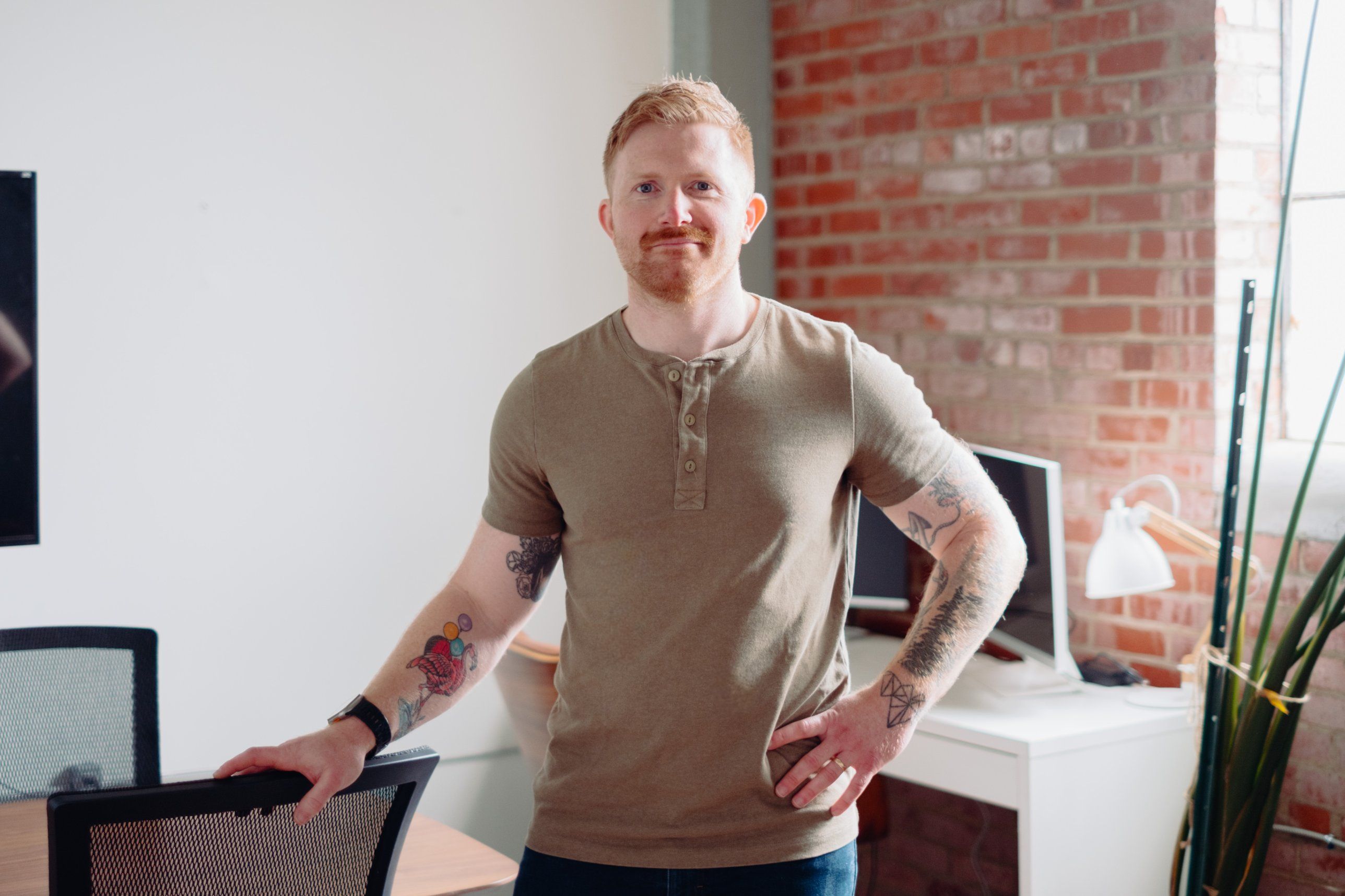
He built the Early site and the design system behind it, which is the same system that produces our app screens and these graphics. If you have a brand already, we'll build inside it. If you don't, you can have as much or as little say in the look as you want, from a full design system down to "use our colors and get out of the way."
What a week looks like
Here's the rhythm, the same on every build:
- A 30-minute call every week, with all three of us on it. Not an hour. If it needs an hour, something upstream needs fixing.
- A working demo every week, from week one. You click it on your phone. Slides are not a demo.
- A Friday update with a dated "waiting on you" section, so nothing stalls unnoticed on either side.
- Your repo, your hosting, your domain, in your name from the first commit.
- Extra hands only on routine work. When we bring someone in for the repetitive parts, a partner is still the one reviewing every change and answering for it.
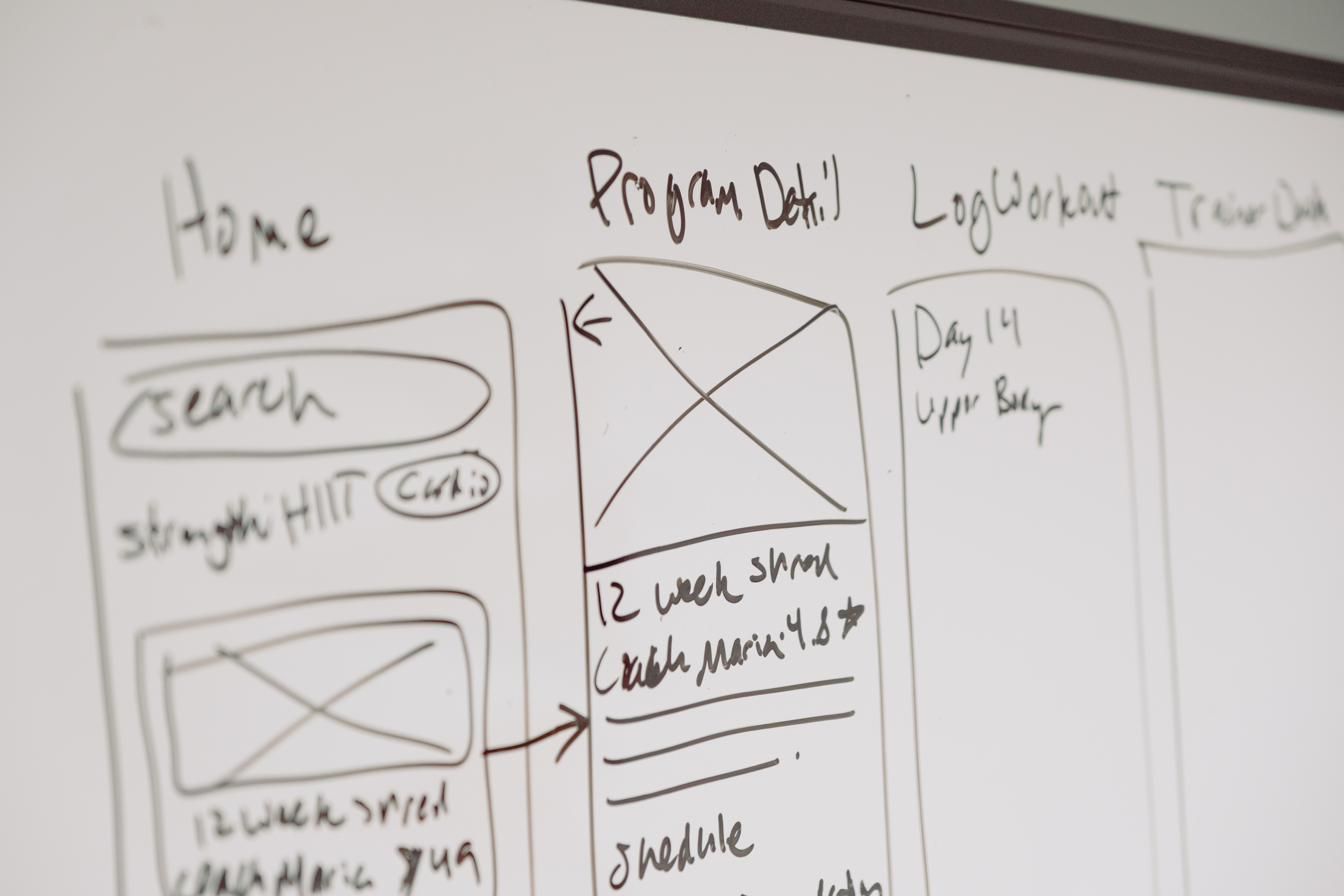
Before all of that, there's a 2-week discovery sprint: user flows, clickable wireframes, a technical architecture, and a fixed-price proposal you keep whoever builds it. The builds themselves are fixed price, usually $30k to $75k, and usually 6 to 12 weeks. You own the code and the IP, every line, from day one.
The honest half
A studio this size has edges, and you should know them before you sign. We are not the right shop for a 40-person product organization that needs a team embedded for a year. We can't take on every build that comes our way, and when the calendar is full we'll tell you the real start date instead of a hopeful one. And because every build has the three of us on it, a slow decision on your side shows up on our side within a week. Some founders find the Friday list annoying at first. Most of them tell us later it's the reason the thing shipped on time.

You'll know by week two whether our rhythm suits you. That's on purpose. We'd rather you find out in a discovery sprint you keep than in month four of a build you can't leave.
Four questions to ask any shop, including us
Take these into every conversation you have about building your software. The answers tell you more than the portfolio does.
- Who exactly is on my build, by name, and are they the same people I'm talking to right now?
- Who do I call when something feels off, and what happens to my build when you get busy?
- What does a normal week look like, and will I see working software or a slide deck?
- Whose name is on the repository, the hosting and the domain during the build, and not only after it?
A shop that answers all four quickly has thought about your build. A shop that gets vague on any of them is telling you something too.
Start with the people
Most founders pick a shop on price and portfolio and find out who's actually doing the work in week three. Flip it. Ask who, first, and ask it of everyone, including us. If the answer is three people you've already met, and you'll meet them again every week until the thing ships, you're most of the way to a good decision. Let's start early.
Let's start early.
A 30-minute call. We'll review your idea or your current setup, talk scope and timeline, and tell you honestly whether we're the right fit. No pressure. Just clarity.
Not ready to talk? Take the 5-minute quiz